11 “Faux Pas” That Are Actually Okay To Use With Your 20 Ft Container
The Versatility of the 20 Ft Container: A Comprehensive Guide
On the planet of shipping, logistics, and construction, containers have reinvented the way we transfer products and materials. Among the numerous sizes, the 20 Ft container stands out due to its flexibility and functionality. This blog post will cover everything you need to understand about 20 Ft containers, including their requirements, utilizes, benefits, and more.
What is a 20 Ft Container?
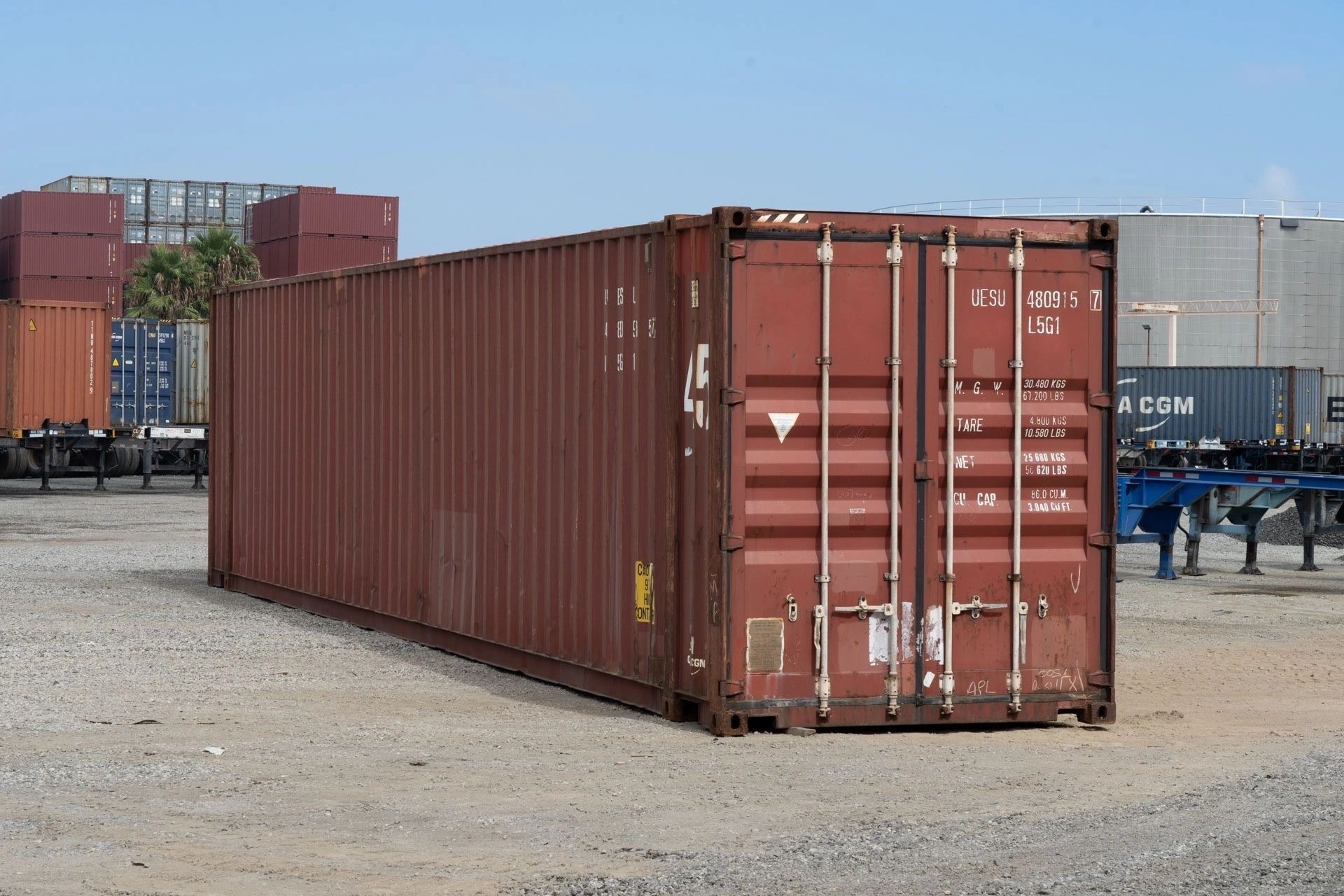
The 20 Ft container, also understood as a TEU (twenty-foot comparable system), is one of the basic sizes utilized in intermodal transport. It is primarily developed to be moved by truck, train, and ship, enabling items to be carried seamlessly throughout different modes of transportation without requiring to discharge and refill.
Requirements
Before diving into the usages and advantages of a 20 Ft container, let's take an appearance at its requirements.
Requirements
20 Ft Standard Container
External Length
20 ft (6.058 m)
External Width
8 ft (2.438 m)
External Height
8.5 ft (2.591 m)
Internal Length
19.4 ft (5.898 m)
Internal Width
7.7 ft (2.352 m)
Internal Height
7.9 ft (2.393 m)
Maximum Gross Weight
24,000 kg (52,911 lbs)
Tare Weight
2,300 kg (5,071 lbs)
Pay Load Capacity
21,700 kg (47,858 pounds)
Uses of the 20 Ft Container
1. Shipping and Transportation
The primary usage of the 20 Ft container is for shipping products globally. Its size makes it suitable for various kinds of cargo, including:
- Raw materials
- Durable goods
- Equipment
- Electronic devices
2. Storage Solutions
Organizations and people often use empty 20 Ft containers for storage. The tough building and construction offers a protected area for storing:
- Tools and devices
- Seasonal items
- Stock
3. Short-term or Permanent Structures
With a little creativity, 20 Ft containers can be changed into habitable areas. Some applications consist of:
- Pop-up stores
- Workplaces
- Homes
- Cafés
4. Catastrophe Relief
In disaster-stricken areas, these containers work as momentary shelters or storage for humanitarian materials. Their sturdiness allows them to hold up against severe conditions while providing much-needed aid.
5. Eco-Friendly Construction
Recycling shipping containers for building is an environment-friendly choice that promotes sustainability. The 20 Ft container can easily be customized to meet numerous architectural styles.
Benefits of Using a 20 Ft Container
The versatility of a 20 Ft container offers numerous benefits:
1. Affordable
Transporting freight in standard-sized containers reduces shipping expenses due to streamlined logistics and increased performance.
2. Resilience
Constructed from steel, 20 Ft containers are developed to withstand heavy loads and severe environmental conditions, making sure freight stays safe.
3. Portability
The standardized size allows for simple transportation across various transport modes, providing included benefit.
4. Flexibility
The multiple uses of a 20 Ft container— from storage to living space— make it a practical service for different needs.
5. Security
Lockable doors and strong building and construction make 20 Ft containers a protected alternative for keeping valuable items.
Difficulties to Consider
While the benefits are substantial, there are difficulties also:
1. Restricted Space
For larger projects or items, a 20 Ft container may not supply adequate space. You might require additional containers for larger shipments or products.
2. Permitting Issues
Local regulations might impose restrictions when using containers for building or storage. 20 Ft Container Dimensions to check local codes before converting a container into a structure.
3. Transportation Costs
While 20 Ft containers can be affordable for shipping, the transportation costs can still accumulate, particularly if moving short distances.
Often Asked Questions (FAQ)
1. Can I buy an utilized 20 Ft container?
Yes, used containers are extensively readily available at lower costs than new ones. Nevertheless, it is necessary to inspect them for any damage, rust, or structural concerns.
2. Are there different types of 20 Ft containers?
Yes, there are various types, consisting of standard dry storage containers, refrigerated containers (reefer), and open-top containers developed for specific cargo types.
3. How do I prepare a 20 Ft container for use?
Preparation might consist of cleaning the container, performing needed repair work, and considering modifications for pipes or electrical systems if using it as a home.
4. What is the distinction in between a basic and a high-cube 20 Ft container?
A high-cube container is one foot taller than a basic container, offering more internal space. The option in between them depends upon the height of the items being saved or delivered.
5. The length of time can I keep a shipping container at my location?
Laws regarding container placement vary by place. Inspect local codes for specific time frame or authorizations required for extended use.
20 Ft containers use a practical and flexible service for numerous shipping and storage requirements. Their toughness, financial benefits, and innovative possibilities for repurposing make them an important possession in logistics, construction, and beyond. Whether you're an organization wanting to enhance operations or a private exploring special living arrangements, comprehending the abilities of the 20 Ft container can open a world of possibilities. Versatile to practically any scenario, this shipping container size continues to play an essential function in contemporary logistics and sustainable practices.